
PVTIME – OCI Holdings, a leading South Korean chemical enterprise headquartered in Seoul, has unveiled a strategic capacity expansion plan to double its annual polysilicon output by 2029. The firm will increase its production capacity from 35,000 to 70,000 tonnes per year to meet the growing demand for high-purity polysilicon driven by the expansion of the artificial intelligence, semiconductor, photovoltaic, and aerospace industries in the United States.
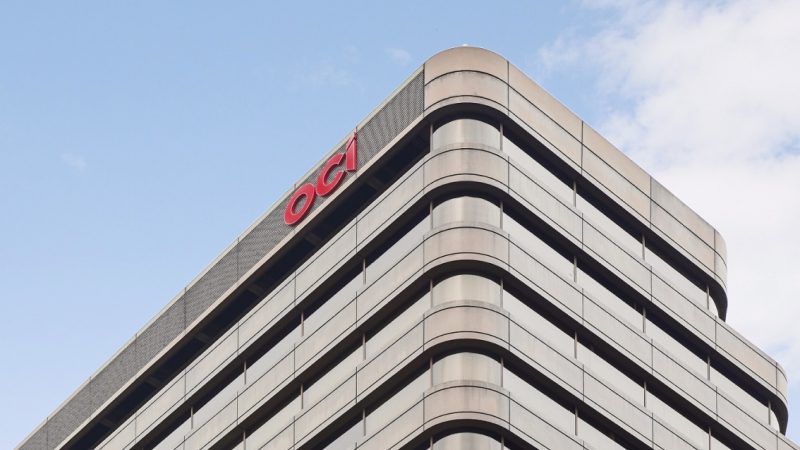
This investment initiative is intended to strengthen OCI’s position in the global polysilicon supply chain and align with US growth trajectories in AI infrastructure and renewable energy deployment. The substantial development of photovoltaic projects reliant on polysilicon raw materials has been fuelled by the substantial development of AI data centre operations, which have increased demand for a consistent power supply. OCI TerraSus, OCI Holdings’ Malaysian subsidiary, has held preliminary talks with SpaceX regarding a long-term polysilicon supply deal. This deal will support the growing needs of the aerospace sector and further establish OCI as a leading supplier of premium silicon materials.
Group chairman Lee Woo-hyun confirmed that the expansion of US AI data centre facilities continues to increase the penetration of solar power within the domestic energy market. He emphasised that OCI’s unique Non-PFE supply chain model offers significant competitive advantages, supporting comprehensive photovoltaic investment along the entire value chain and facilitating rapid adaptation to changing global supply chain conditions.
By operating a bespoke Non-PFE photovoltaic supply chain that serves the US market, OCI is able to integrate polysilicon production in Malaysia and solar wafer manufacturing via its Vietnamese subsidiary, NeoSilicon Technologies. This effectively mitigates operational risks related to US policy. Following routine annual maintenance, OCI TerraSus has resumed full production, with its operating losses in Q2 narrowing considerably. The subsidiary’s entire 35,000-tonne-per-annum solar-grade polysilicon capacity is now locked under long-term contracts with new US clients.
The two-phase expansion project, priced at 1.4 trillion South Korean won (946 million US dollars), will increase total polysilicon capacity to 70,000 tonnes per annum. The first phase involves relocating idle equipment from OCI’s Gunsan plant in South Korea to Malaysia, adding 5,000 tonnes of annual capacity. The second phase includes the construction of a new production line, which will deliver an additional 30,000 tonnes per annum. The plant is scheduled for completion in late 2028, with commercial operation set for the first half of 2029. The group has identified the potential for an additional 10,000–15,000 tonnes of annual capacity optimisation between 2030 and 2031. However, this incremental upgrade is not included in the current investment scheme.
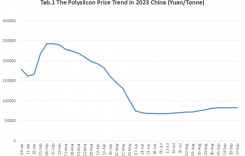
The increased production capacity will boost the global supply of high-purity polysilicon, alleviating constraints on the supply of raw materials for photovoltaic wafers, modules, semiconductor components, and advanced electronic manufacturing. Full operationalisation of the new capacity is expected to ease market supply pressure and stabilise global polysilicon pricing in the medium to long term.
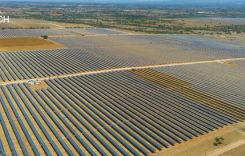
In addition, OCI is upgrading its solar wafer manufacturing capacity in Vietnam, with the aim of achieving a 3.3-fold increase from 2.7GW to 11.5GW by 2029. In the US, OCI Energy manages 29 integrated solar and energy storage projects in Texas with a total capacity of 6.5GW, comprising 3.4GW of photovoltaic generation and 3.1GW of supporting energy storage capacity.

Scan the QR code to follow PVTIME official account on Wechat for latest news on PV+ES