
PVTIME – A residential battery energy storage system linked to a rooftop solar panel system exploded in southern Germany while emergency crews were working to contain the incident. One firefighter was injured, which has further reinforced serious safety concerns over basement-mounted home storage hardwa re.
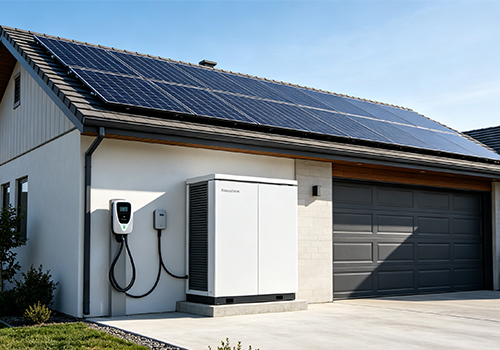
The incident occurred at around 7.20pm local time on 27 October near Konstanz in Baden-Württemberg. The property owner raised the alarm after spotting smoke coming from the basement unit, which had been installed to store power generated by the home’s photovoltaic array. Emergency responders attended the scene, and the explosion occurred while they were working. Officials have not released details on the firefighter’s condition, and investigations into the root cause are ongoing.
This marks the second safety incident involving a domestic solar battery in Germany in just over a week. On 19 October, a similar storage unit caught fire at a private residence in Obernzell, Bavaria. The fire released hazardous fumes, prompting local residents to seal their homes by closing doors and windows. Fire crews could not extinguish the blaze directly, as the cells were igniting sequentially. Therefore, the cabinet was moved into a metal vessel and submerged in water to bring the incident under control.
These two cases highlight the danger of secondary explosions following lithium-ion thermal runaway. When battery cells spiral out of thermal control, they release flammable gases. These vapours accumulate quickly in enclosed or semi-enclosed basement spaces and may detonate once they reach an explosive concentration. This leaves firefighters carrying out close-quarters mitigation with minimal reaction time.
Germany is one of Europe’s most advanced markets for residential battery storage, with a high level of household uptake alongside rooftop solar installations. The recent spate of incidents has brought home storage safety from the realm of laboratory compliance to the forefront of the operational concerns of fire services and householders alike. Unlike large, grid-connected battery facilities, domestic units are located within occupied buildings, which places residents, neighbours, and frontline fire teams at immediate risk in the event of a failure.
This also signals that industry safety validation must extend beyond standard laboratory tests, such as nail penetration and overcharge cycling, as the deployment of these systems in homes continues to grow across global markets.