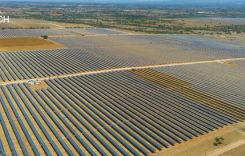

PVTIME – New figures released by Australia’s Clean Energy Regulator show that the country’s shift away from coal-fired generation gathered pace in Q2 of 2026. New benchmarks were set for residential batteries, rooftop solar, and utility-scale solar investment. Approval was granted for over 111,000 small-scale battery systems, adding 3.6GWh of residential storage capacity, while 4.2GWh of large-scale battery projects either reached a final investment decision or began operating.
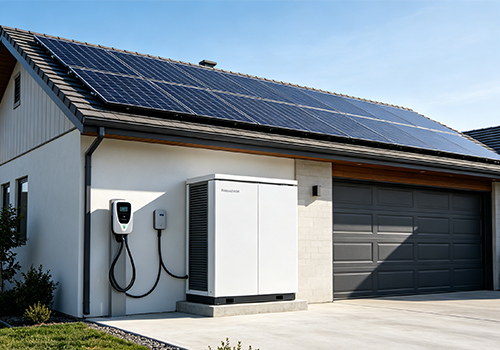
Rooftop solar installations exceeded 1GW for the first time in the quarter, surpassing the previous high of 942MW recorded in Q4 2023. Approximately 1.8GW of utility-scale solar capacity secured final investment approval, marking the strongest quarter for this metric since 2022. Within the National Electricity Market, renewable energy contributed 42% of output, compared with 37% in the equivalent quarter of the previous year. Declining battery costs and Capacity Investment Scheme-supported projects are major drivers of this expansion.
Of the newly approved utility-scale solar portfolio, 881MW qualifies for federal revenue underwriting measures. This includes Edify Energy’s twin hybrid solar and battery facilities in Queensland. The national Cheaper Home Batteries Programme has stimulated strong household demand for distributed storage. By mid-August of its launch year, the rebate scheme had received over 500,000 applications, providing 12.4GWh of approved storage capacity across more than 438,000 installations.
Installation volumes rose sharply ahead of the reforms to the scheme implemented on 1 May. Around 80% of rooftop solar installations in April were paired with battery units, as households accelerated the rollout of combined systems ahead of the policy change. Although residential battery demand remained stable after the reforms took effect, average battery capacity fell from 36kWh in April to around 23kWh in May and June. The average rooftop solar system reached 10.5kW, marking four consecutive quarters above the 10kW threshold.
While the small-scale and utility-scale renewable energy sectors achieved record results, approvals for mid-sized commercial and industrial renewable energy projects lagged behind historical averages. Market conditions are expected to improve from 1 October 2026, when the Small-scale Renewable Energy Scheme will extend eligibility to systems up to 1MW, pending final regulatory approval. This policy adjustment is expected to increase access to solar energy for businesses, farmers, and community organisations.