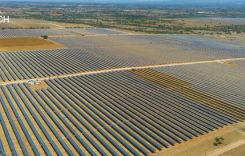

PVTIME – According to new analysis from the Institute for Energy Economics and Financial Analysis, scaled deployment of core clean energy technologies could reduce the European Union’s gas demand by 25% by 2030. The research shows that deploying 75GW of solar photovoltaic capacity, 22GW of wind generation and four million heat pumps each year will substantially reduce gas demand, which is double the volume of Qatari LNG imports expected by the end of the decade. Therefore, accelerated renewable adoption and strategic grid infrastructure investment are central to achieving the bloc’s long-term electrification objectives.
Renewable power and low-carbon heating systems are a more efficient solution for reducing gas demand than expanding LNG import capabilities. Real-world data demonstrates the tangible impact of clean energy deployment: solar, wind, and heat pump applications cut EU gas usage by 88 billion cubic metres in 2024. This equates to roughly two thirds of the bloc’s total Qatari LNG imports in the same year, significantly reducing reliance on international fossil fuel supplies.
Escalating geopolitical instability across the Middle East has increased operational risks for global gas export facilities, highlighting the strategic value of scaling up domestic renewable energy. IEEFA confirms that this approach is the most robust structural measure for reducing EU exposure to volatile fossil fuel import markets. SolarPower Europe statistics illustrate the significant cost savings of photovoltaic generation, including €20 billion in avoided gas import expenditure between March and July 2026. During the first 17 days of the 2026 Middle East conflict, 19.9TWh of solar power replaced fossil fuel imports, providing average daily savings of €112 million.
The full attainment of the EU’s targets for renewable energy and heat pumps will lead to continuous improvements in gas efficiency across the bloc. Together with targeted grid investment, these installations will help to advance progress towards the 2040 electrification agenda and strengthen regional energy security. The EU Electrification Action Plan sets an electrification target of 46% for 2040, which is forecast to reduce gas imports by over 70% and crude oil imports by 40%. Ann Maria Jaller-Makarewicz, IEEFA’s Lead European Energy Analyst, notes that clean energy investment mitigates external supply risks, covering potential market disruptions in the Strait of Hormuz and bridging supply gaps arising from the EU’s full ban on Russian gas imports in 2027.

Scan the QR code to follow PVTIME official account on Wechat for latest news on PV+ES