
PVTIME – India’s Union Cabinet has granted formal approval for a landmark viability gap funding scheme, which is set to deliver 92GWh of grid-scale energy storage capacity, supported by a total of USD 1.54 billion in public funding.
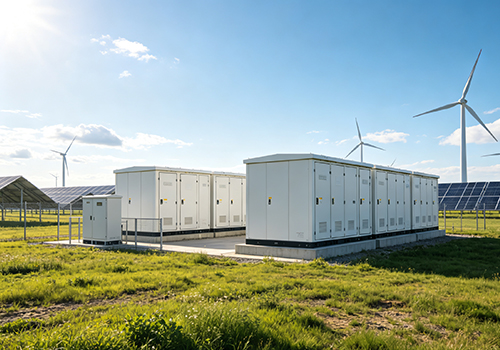
The funding window will run from the 2026-27 financial year through to the 2030-31 financial year. The scheme is designed to utilise surplus electricity generated by wind and solar assets, thereby strengthening the stability of India’s power network. Alongside the fiscal incentive package, supporting regulatory adjustments to grid interconnection standards and capacity market arrangements will be introduced. This is the largest storage support programme to be approved in India to date.
The 92GWh capacity allocation is split across three technology categories. Pumped hydro storage accounts for 60GWh, battery energy storage makes up 30GWh, and the remaining 2GWh is reserved for advanced alternative storage technologies. The rollout is expected to attract a combined total of approximately USD 10.35 billion in capital investment.
Domestic content requirements will apply to battery storage projects under the scheme. These provisions aim to develop indigenous manufacturing capability, reduce reliance on imported equipment, and reinforce national energy security.
This policy intervention addresses a well-documented constraint on the expansion of India’s renewable energy capacity. Limited grid-scale storage capacity has long restricted the country’s ability to utilise variable clean power resources to their full potential. The approved funding framework provides project developers with greater long-term certainty to deploy storage assets that support a consistent and reliable power supply.