
PVTIME – A solar researcher at Rystad Energy has stated that China’s solar module manufacturing costs are expected to rise in the first half of 2026, before falling again by the end of the year.
Marius Mordal Bakke, Rystad Energy’s vice president of solar research, noted that production costs for Chinese PV manufacturers will rise due to various factors, including policy changes and market prices of polysilicon and silver.
Earlier this year, Chinese authorities confirmed that the 9% export tax rebate on solar wafers, cells, and modules would be abolished from April onwards. Bakke explained that this will pass on some costs, which were previously offset by the rebate, to the supply chain, creating a new cost environment that will affect the price of Chinese-exported PV modules, particularly in Europe, without fundamentally altering the industry’s supply and demand dynamics.
He added that demand for Chinese modules is expected to decline in 2026 amid a slowdown in China’s domestic market and weaker demand in Europe and Australia. Growth markets such as India, Turkey and the US remain largely inaccessible to Chinese manufacturers due to protectionist policies. Bakke argued that Europe will see an oversupply of Chinese modules for some time. This will be driven by a surge in purchases before April’s rebate cut, a shrinking market in 2026 and NZIA supply safeguards that effectively exclude Chinese components from some European public procurement contracts. This will put pressure on module makers exporting cost-adjusted new products.
Soaring silver prices and issues in China’s polysilicon sector will also affect module costs and prices over the next year. Silver prices have surged since early 2026 as demand has outstripped supply, and the mining industry has lacked the flexibility to adjust, thereby pushing up solar cell production costs and potential selling prices. Bakke noted that the industry has shifted towards replacing silver with copper and copper paste in cell production, with most of China’s leading manufacturers having made the switch by 2026.
As copper is cheaper than silver, it will ease the pressure on module prices, and some analysts view current silver prices as inflated and not reflective of the metal’s true value, so prices may fall again. However, Bakke noted that using copper brings technical challenges, particularly with regard to efficiency and degradation, as copper degrades faster, especially in humid conditions, and is less conductive than silver.
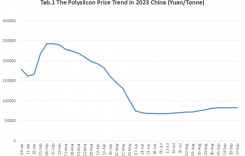
Polysilicon prices have rebounded slightly since late last year, following Beijing’s measures and industry consolidation plans, but Bakke believes these gains will not last. As profits rise, China’s top firms are increasing their inventories, despite slowing demand for Chinese products. This view was echoed by polysilicon market analyst Johannes Bernreuter earlier this year, when Chinese antitrust regulators expressed concerns about consolidation plans among leading firms.
Although polysilicon producers have returned to profitability, cell manufacturers remain unprofitable despite price increases, due to rising cell costs and stagnant demand. Bakke noted that profitability is not guaranteed, even with higher quoted and transaction prices for solar cells.
Bakke ultimately said that all these factors will drive price increases in the coming months, but that European purchases of Chinese modules will slow down after April, leading to price declines following the initial rise. Sharp price hikes are unlikely to be sustained amid oversupply and weakening demand. The 9% tax rebate was not sustainable for major module manufacturers amid volatile cell and polysilicon costs. While this justified higher module prices in the short term, these increases will eventually be followed by declines, often below cost levels, if manufacturers fail to adapt to slowing demand.

Scan the QR code to follow PVTIME official account on Wechat for latest news on PV+ES