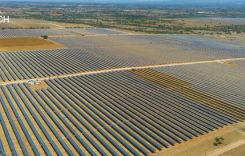

PVTIME – The French company Voltalia has begun construction of the Artemisya hybrid energy cluster in Uzbekistan, the country’s first integrated project to combine solar, wind and energy storage. This development marks the official entry of Uzbekistan’s power system into the era of multi-energy integration.
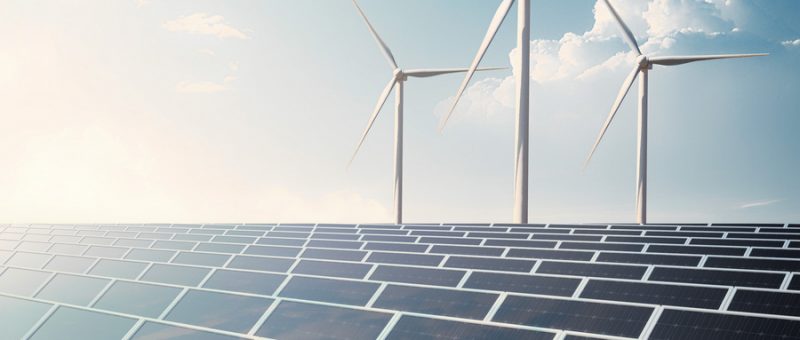
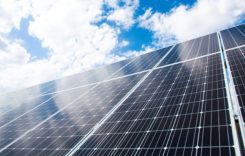
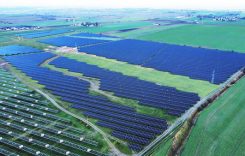
The Artemisya cluster has a total capacity of 526MW, consisting of 126MW of solar power, 300MW of wind power, and a 100MW/200MWh energy storage system. An innovative feature is the tiered power purchase agreement, which comprises 25-year contracts for wind and solar generation, and a 15-year contract for the energy storage system. This design matches the economic lifespans of the different technologies while allowing for sufficient flexibility to accommodate future system upgrades.
The 100MW/200MWh energy storage system, positioned at the core of the project, will focus on functions including peak shaving and valley filling, smoothing wind and solar output fluctuations, and providing frequency regulation services. It directly addresses the conflict between the intermittency of renewable energy and grid stability, serving as a crucial pillar in the development of a flexible power grid. This approach is closely aligned with Uzbekistan’s policy of integrating energy storage into the national strategy and enhancing the connection of renewable energy to the grid.
Artemisya reflects the surge in new energy investment in Uzbekistan, which has set a clear renewable energy target of reaching 12GW of installed capacity by 2030. Several benchmark projects are advancing simultaneously: Masdar’s Nur Bukhara solar storage project in the UAE is already operational; a 1GW solar plus 1.3GWh energy storage project led by Japan’s Sumitomo is accelerating implementation; and Chinese enterprises are successively starting construction of solar storage facilities in Tashkent and other locations. This influx of diverse capital is propelling Uzbekistan’s ascent as a green energy hub in Central Asia.
Once commissioned, the project will supply clean electricity locally, and its coordinated management model, which integrates wind, solar, and storage, will serve as a reference template for countries undergoing power grid modernisation, demonstrating the practical value of multi-energy complementarity.

Scan the QR code to follow PVTIME official account on Wechat for latest news on PV+ES