

PVTIME – New data from the US Energy Information Administration (EIA) shows that, in the first nine months of 2025, the US successfully reduced its electricity demand growth rate from almost 5% at the start of the year to 2.3%, effectively alleviating power supply pressures caused by data centre expansion. The core driver of this was explosive solar power growth, which covered over 80% of the new power demand gap.
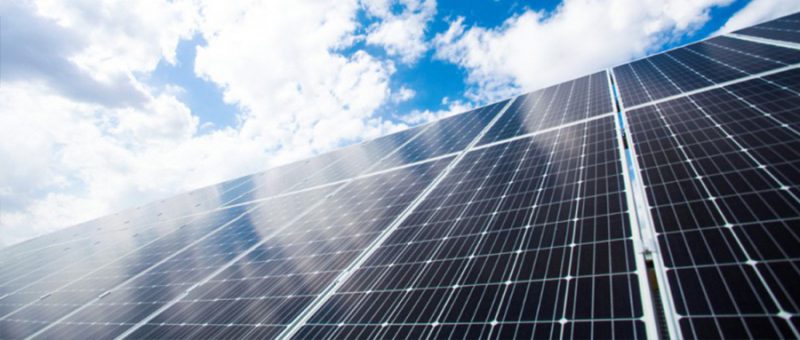
However, fuelled by large-scale data centre expansion, US electricity demand surged by 4.8% year on year in the first quarter. Despite a 44% increase in solar output during the same period, solar power could only meet one third of the new demand. Combined with falling natural gas usage, coal consumption spiked by 23% year on year, sparking industry concerns about grid strain and carbon emission rebounds.
As solar installed capacity continued to expand, its growth rate slowed to 36%, but supply capacity improved significantly. Combined output from small-scale and utility-scale solar has overtaken hydropower, reaching 90% of wind power generation. Small-scale solar rose by 11%, with substantial distributed generation directly offsetting part of end-user demand.
California’s solar generation has doubled in the last five years. While the state’s electricity consumption surged by 8% in 2025, natural gas usage dropped by 17%. Solar oversupply in spring and autumn has driven the development of battery storage, which works by absorbing low-cost electricity during the day and releasing it at night, thus fully offsetting peak natural gas demand. California’s battery storage capacity now stands at 15,763 MW, which is a 1,944% increase since 2019.
The EIA predicts that solar power will surpass wind power within the next two years, at which point the combined generation of wind and solar power will exceed that of nuclear power. In 2025, solar accounted for over half of new US power installations, with zero-emission sources making up 90% of the total.

Scan the QR code to follow PVTIME official account on Wechat for latest news on PV+ES



 shows that, in the first nine months of 2025, the US successfully reduced its electricity demand growth rate from…)