

PVTIME – Australia’s Energy Market Operator (AEMO) has published its 2025 System Security Transition Plan, which outlines a fundamental transformation of the National Electricity Market (NEM). This transformation will see coal-fired power retire and renewable energy take over, with solar PV and battery storage playing a central role. AEMO chief executive Daniel Westerman described the plan as the most comprehensive solution for addressing system security and consumer demand during the transition.
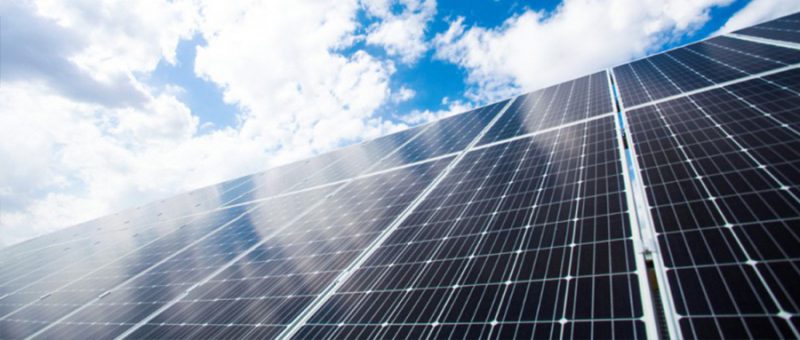
The report forecasts significant growth in renewable energy: rooftop PV capacity is expected to increase from 25.1GW in 2026 to 42.5GW by 2036, while non-scheduled PV (100kW to 30MW) is predicted to rise from 1.9GW to 4.8GW within the same timeframe. Mr Westerman highlights that Australian households and businesses are adopting distributed energy at a pace leading the way globally, driven by policy incentives, falling technology costs, and a desire for energy independence. PV is now the cornerstone of the country’s renewable energy strategy.
Visibility and predictability of distributed energy are critical to grid stability, and battery storage equipped with grid-forming inverters has been identified as the core solution. Ten such storage sites with a total capacity of 1,070MW are already operating in the NEM, with a further 94 in development. This technology provides vital services such as synthetic inertia and system strength, which were previously supplied by synchronous generators. It is filling the gap left by the closure of coal-fired power stations.
The retirement of coal plants is increasing transition pressures, with AEMO identifying eight critical transition points, including the 1,680MW Gladstone coal plant, which is due to close in 2029. Synchronous condensers and other measures will safeguard Queensland’s grid stability. Embedded storage capacity is expected to grow from 2.2GW in 2026 to 9.8GW by 2036. This growth will require improved technical standards and coordination to ensure synergy with PV systems. AEMO is working with service providers to enhance the quality of distributed energy data and ensure inverter compliance.
These challenges are being addressed through policy and technological innovation. In November 2025, AEMO submitted a rule change application to the Australian Energy Market Commission. The System Strength Impact Assessment Guidelines have prompted the development of numerous grid-forming storage projects, with transmission service providers aiming to secure over 8GW of contracted capacity by 2034. A review of Grid-Forming Technology Connection Standards is underway to update outdated access criteria, with trial data being used to inform the revisions.
Industry experts agree that the plan provides a clear roadmap for Australia’s energy transition. With advancing grid-forming technology and more refined policies, the NEM is well placed to become a global benchmark for the integration of high shares of renewables, while progress towards decarbonisation goals will depend on the success of technical breakthroughs and investment coordination.

Scan the QR code to follow PVTIME official account on Wechat for latest news on PV+ES


 has published its 2025 System Security Transition Plan, which outlines a fundamental transformation of the National Electricity Market (NEM). This transformation will see…)